Women’s Health Home Physiotherapy in Karachi
From pregnancy aches to recovery after birth, your body goes through a lot. We bring caring, private physiotherapy to your home, with a female therapist whenever you’d like one.
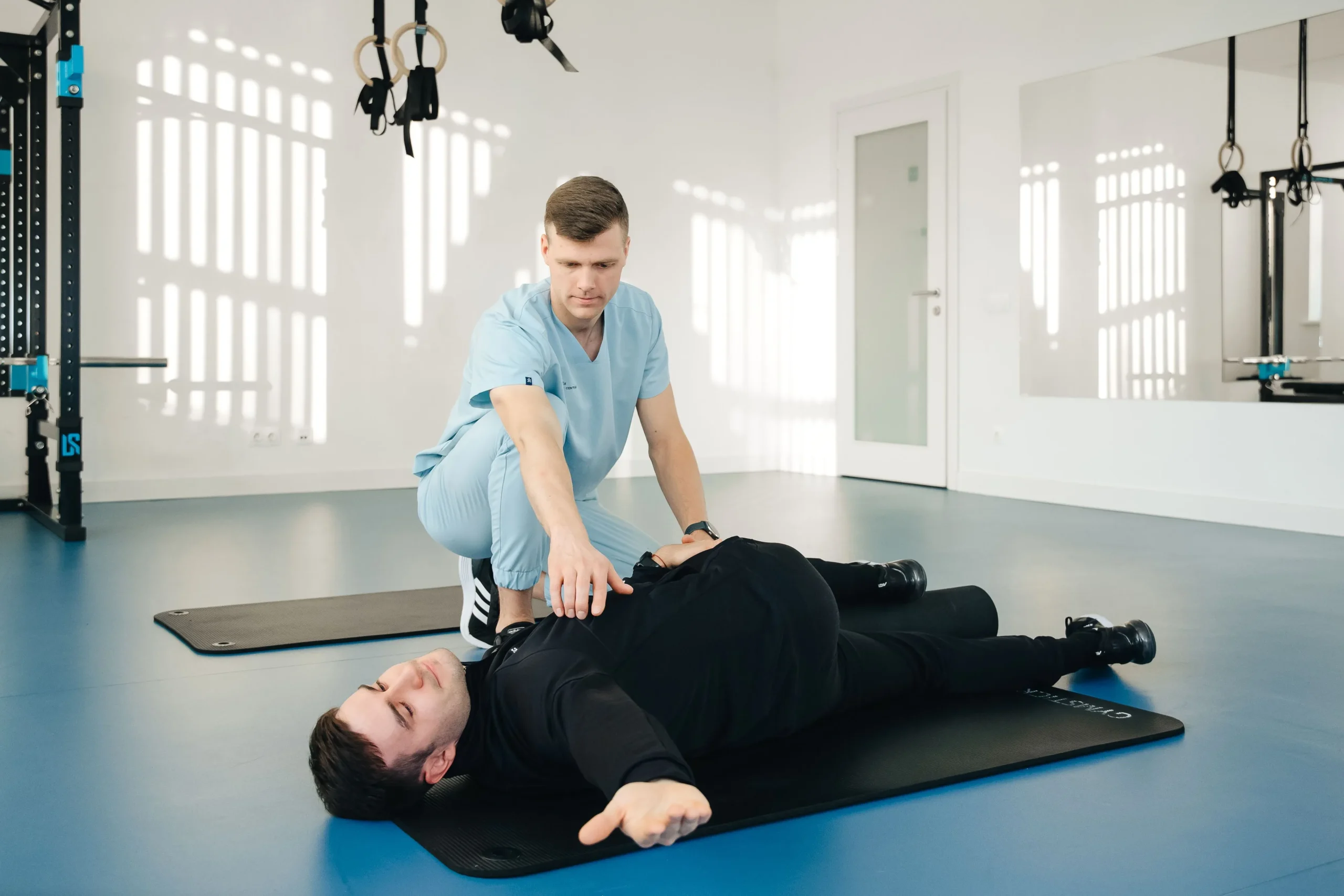
What Is Women’s Health Home Physiotherapy in Karachi?
Women’s health physiotherapy looks after the parts of your body that change most through pregnancy, birth and the years that follow: your back, hips, pelvis, tummy muscles and pelvic floor. It isn’t only for new mothers. Many women struggle quietly with pain or leaking for years because they feel embarrassed to mention it.
Having it at home removes a lot of that awkwardness. There’s no waiting room and no one else around. You’re in your own space, you can feed or settle your baby if you need to, and you can ask whatever you like. Many problems that women are told to simply put up with can be improved. For example, the pelvic floor can be weakened by childbirth, straining and the menopause, and NHS hospital guidance explains that exercising those muscles can help them give you the support you need again.
Who this care can help
Women come to us at very different stages of life. Some of the most common reasons are:
Back pain in pregnancy
Pelvic girdle pain
Hip and rib discomfort
Recovery after normal delivery
Recovery after C-section
Separated tummy muscles
Pelvic floor weakness
Bladder leakage
Neck and shoulder pain from feeding
Aches around menopause
Signs it may be time to ask for help
- Your back, hips or pelvis hurt when you walk, turn over in bed or climb stairs
- You leak a little when you cough, laugh, sneeze or lift your child
- Your tummy still feels weak or looks different weeks after the birth
- Your C-section scar feels tight, tender or pulls when you move
- You’re afraid to exercise because you don’t know what’s safe for you
What happens during a home visit
We start with a conversation
We ask about your pregnancy or delivery, any pain, your daily routine and what’s worrying you most. Nothing is rushed, and nothing is too small to mention.
We look at how you move
We check your posture, back, hips and tummy muscles, and how you walk, sit and lift. We explain what we’re doing and only go ahead with what you’re comfortable with.
We explain what’s going on
You’ll hear in plain words what is causing your problem and what’s likely to help, so there are no surprises.
We treat and teach
You get hands-on treatment where it’s suitable, along with simple exercises that fit around your day, even if you only have ten minutes.
We follow your progress
As you improve we adjust the plan, and we’ll tell you honestly when something needs a doctor’s attention instead.
Pregnancy, birth recovery and the years after
During pregnancy, our focus is comfort and safety. Your joints loosen and your body shape changes, so aches in the back, hips and pelvis are very common. We show you ways to move, sleep and rest that ease the strain. Gentle activity is usually good for you: the CDC says moderate activity is safe during pregnancy for generally healthy women, and advises checking with your own healthcare provider first.
After birth, recovery is slower than most people expect, especially after a C-section, which is major surgery. If you’ve had one, our post-surgical physiotherapy follows the same careful, step-by-step approach. We start with breathing, gentle walking and pelvic floor work, then build up as your body and your doctor allow.
Later in life, hormonal changes and years of carrying children, shopping and everything else can leave you with stiff, aching joints. We help you stay strong and active, and if long-standing back trouble is the main issue, our orthopedic physiotherapy may also be a good fit.
Small habits that help between visits
What you do on the days we aren’t there matters just as much as the sessions themselves. We’ll give you your own list, but most people are given a few simple things like these:
- Practise your pelvic floor exercises at the same time each day, such as while feeding or brushing your teeth
- Squeeze gently before you cough, sneeze or lift something heavy
- Roll to your side to get out of bed instead of sitting straight up
- Take short, easy walks and build up slowly
- Drink enough water and eat fibre, since straining on the toilet puts extra load on the pelvic floor
Why a private visit at home makes a difference
Some topics are simply easier to talk about at home. You’re comfortable, you’re not watching the clock and you’re not arranging someone to mind the children while you travel across the city. When you ask for a female therapist, we’ll arrange one. We’re happy to visit homes across Karachi, so please see the areas we cover.
When to see a doctor first
Physiotherapy supports your medical care and doesn’t replace it. Please contact your doctor or hospital straight away if you have heavy bleeding, severe pain, a fever, a painful swollen calf, chest pain, trouble breathing, or if your baby’s movements have changed during pregnancy.
Questions people often ask
Is physiotherapy safe during pregnancy?
For most women with an uncomplicated pregnancy, yes. We choose gentle treatment and exercises suited to your stage, and we’ll ask you to check with your doctor if you have any pregnancy complications.
How soon after delivery can I start?
It depends on how your birth went. Gentle breathing, walking and pelvic floor work can often begin early with your doctor’s approval. We’ll plan the rest around how you’re healing, including after a C-section.
I leak a little when I cough or laugh. Is that normal?
It’s very common, but it isn’t something you simply have to live with. Pelvic floor training helps many women, and we’ll guide you step by step.
Can I have a female therapist?
Yes. Just tell us when you book and we’ll arrange it.
How do I book a visit?
Call or message us on +92 328 3600638, or use the contact page. You can also browse all our services. Tell us a little about what’s going on and where you live, and we’ll agree on a time.
Ready to feel like yourself again?
Tell us what’s been bothering you and we’ll take it from there.